
ARTICLE
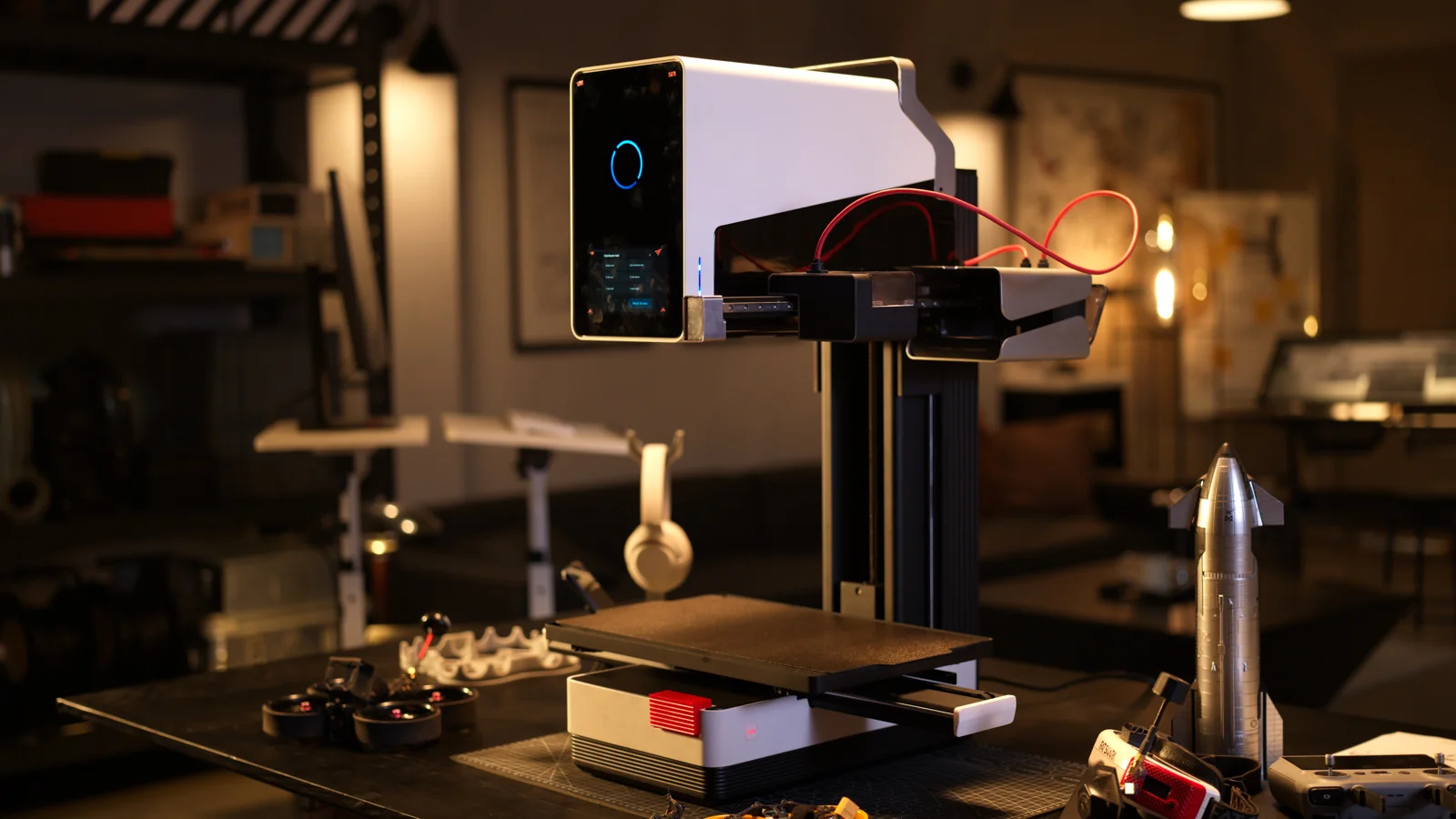
Lynxel will present its LB1 and LC1 resin printers at Formnext 2026, targeting consumer-level pricing for functional resin printing. Both share the same engineering platform, with LC1 adding integrated full-color surface printing. A Kickstarter campaign is planned for December.
Formnext 2026 at a glance
- Dates: November 17–20, 2026.
- Location: Frankfurt am Main, Germany; Hall 11.0, Booth A79.
- Printers: LynBeam™ LB1 for functional resin parts; LynChrom™ LC1 adds integrated full-color surface printing.
- Launch: Kickstarter planned for December 2026. Final prices, configurations and launch features will be announced separately.
Desktop 3D printing is about more than reproducing a shape. Detail, function, color and affordability all influence what creators can make—and how useful the result will be. At Formnext in Frankfurt, November 17–20, 2026, Lynxel will show how its LynBeam™ LB1 and LynChrom™ LC1 bring these priorities together.
How Layered Membrane Stereolithography (LMS) delivers resin
Layered Membrane Stereolithography (LMS) uses a moving membrane to spread and deliver resin to the printing area. A Linear Scanning Unit exposes each layer before the platform lifts and separates. Active delivery supports higher-viscosity formulations without relying solely on resin flowing and leveling between layers.
Lynxel specifies support for resins up to 300,000 cP in viscosity. Its material focus spans rigid, flexible and composite parts, with formulations and print profiles matched to the intended properties. This gives creators scope to choose how a part behaves in use, from stiffness to flexibility, as well as how it looks.
The platform uses 600 dpi laser scanning and a 0.05 mm, or 50 μm, layer setting. Its membrane process is designed to manage separation forces and reduce stress and deformation, helping preserve detailed geometry. The value extends from surface textures and lettering to small openings and structural features that make a part useful.
LynBeam LB1: engineering materials and functional parts
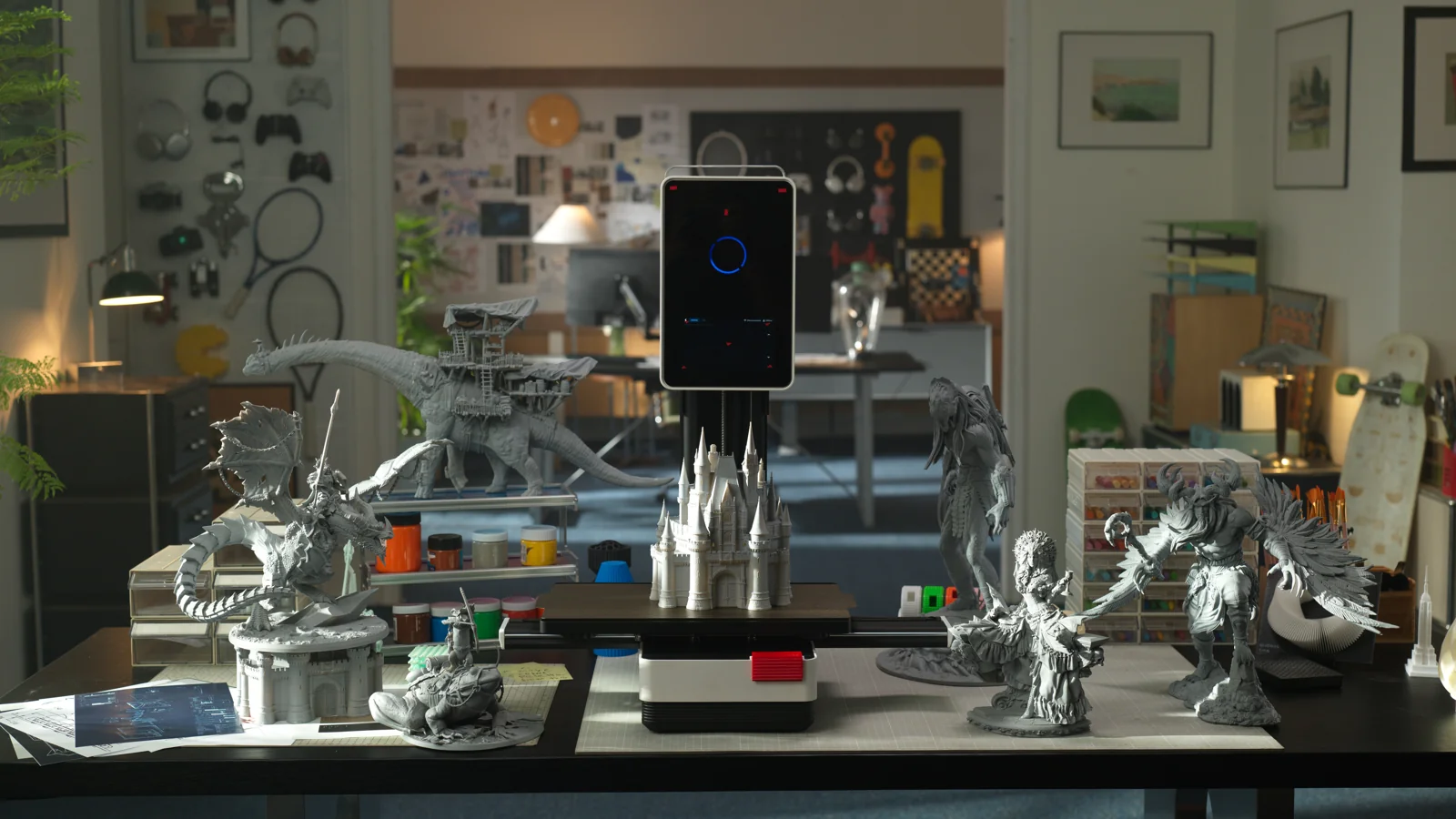
Fit, detail and durability matter when a printed object becomes part of everyday life. LB1 focuses on engineering materials and functional parts, with resin selection, printing profiles and post-curing matched to the job.
Its 200 × 400 × 300 mm build volume accommodates larger objects or sets of related components in one job. Household accessories, personalized designs and hobby projects can take shape with fewer divisions and less assembly.
Cartridge-fed membrane delivery also reduces the initial quantity of resin needed, while unused resin can be retained for later builds. Material efficiency contributes to Lynxel’s affordability proposition alongside the purchase price.
LynChrom LC1: full-color resin printing
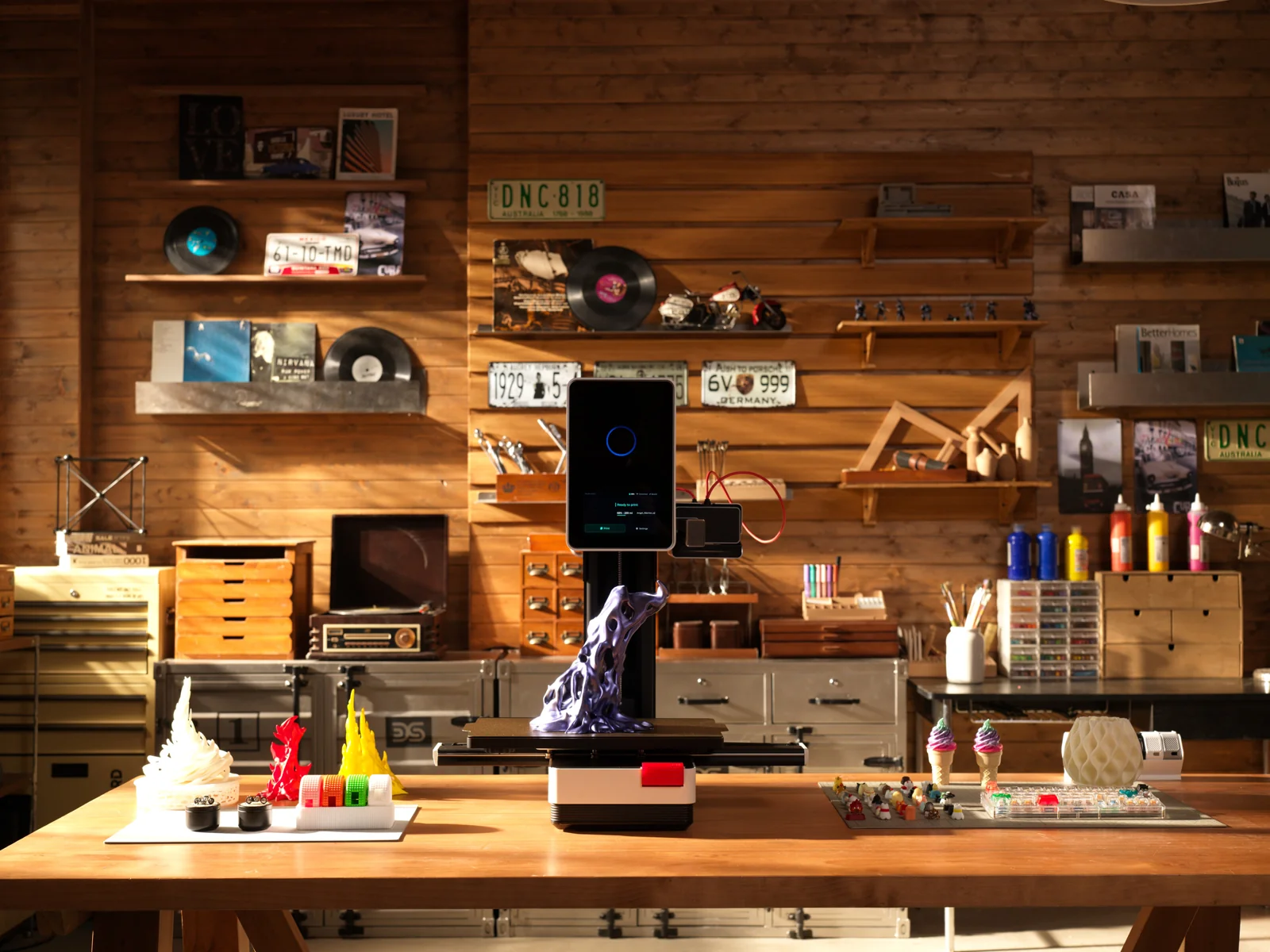
Multicolor printing is already familiar to hobbyists. LC1 combines resin-built geometry with inkjet-applied surface color during the build, retaining the engineering foundation of LB1.
Its color module uses 1200 dpi inkjet printing and CMYK water-based dye inks, separate from the platform’s 600 dpi resin exposure system.
Artwork, textures and lettering become part of digital preparation. Character models, decorative pieces and personalized everyday objects gain color without leaving every painted detail to hand finishing. Cleaning and post-curing follow the usual resin workflow.
Lynxel Studio: preparing and following a print
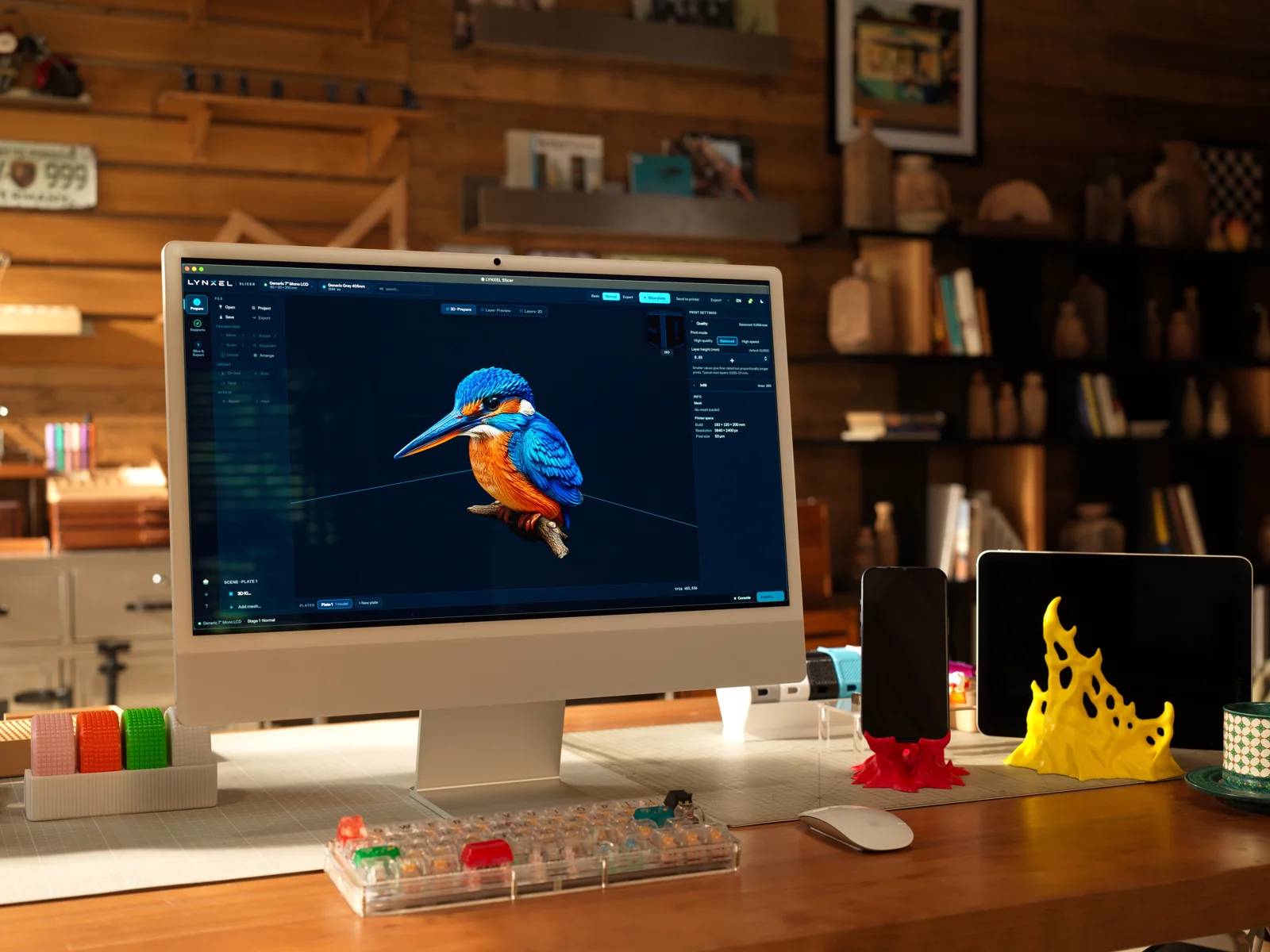
Lynxel Studio handles full-color slicing of OBJ models and textures, with STL input for standard prints and OBJ plus PNG for color projects. The specified preparation tools include support generation, hollowing, preview and resin-use estimates to help users plan before committing material. Keeping geometry, supports and color preparation together reduces separate preparation steps. Desktop requirements cover Windows 10/11 64-bit and macOS 12 or later.
ID-chip material identification and semi-automatic zeroing support setup, with manual build-plate adjustment. The hardware specification includes a 5-inch capacitive touchscreen, USB transfer, dual-band Wi-Fi and a fixed-focus 1080p camera. The planned Lynxel App adds live progress monitoring.
Visit Lynxel at Formnext 2026
At Hall 11.0, Booth A79, visitors can examine functional and full-color samples and discuss how a design becomes a finished part. The team will explain LMS and digital preparation, with printer demonstrations where operating conditions allow.
Lynxel has invited Călin Gruia, the creator behind Plastic3D, to demonstrate the printers at the exhibition. A German-speaking representative will also be available for product questions and discussions.
See the official Formnext dates and opening hours to plan your visit.
Media interviews and meetings can be arranged, subject to availability, through marketing@lynxel3d.com. Product and campaign updates will be available at www.lynxel3d.com.
Final prices, configurations and launch features will be announced separately ahead of the planned December 2026 Kickstarter campaign.
 Back to all posts