Performance Without Compromise
Speed, size, color, and material capability shouldn't have to compete.
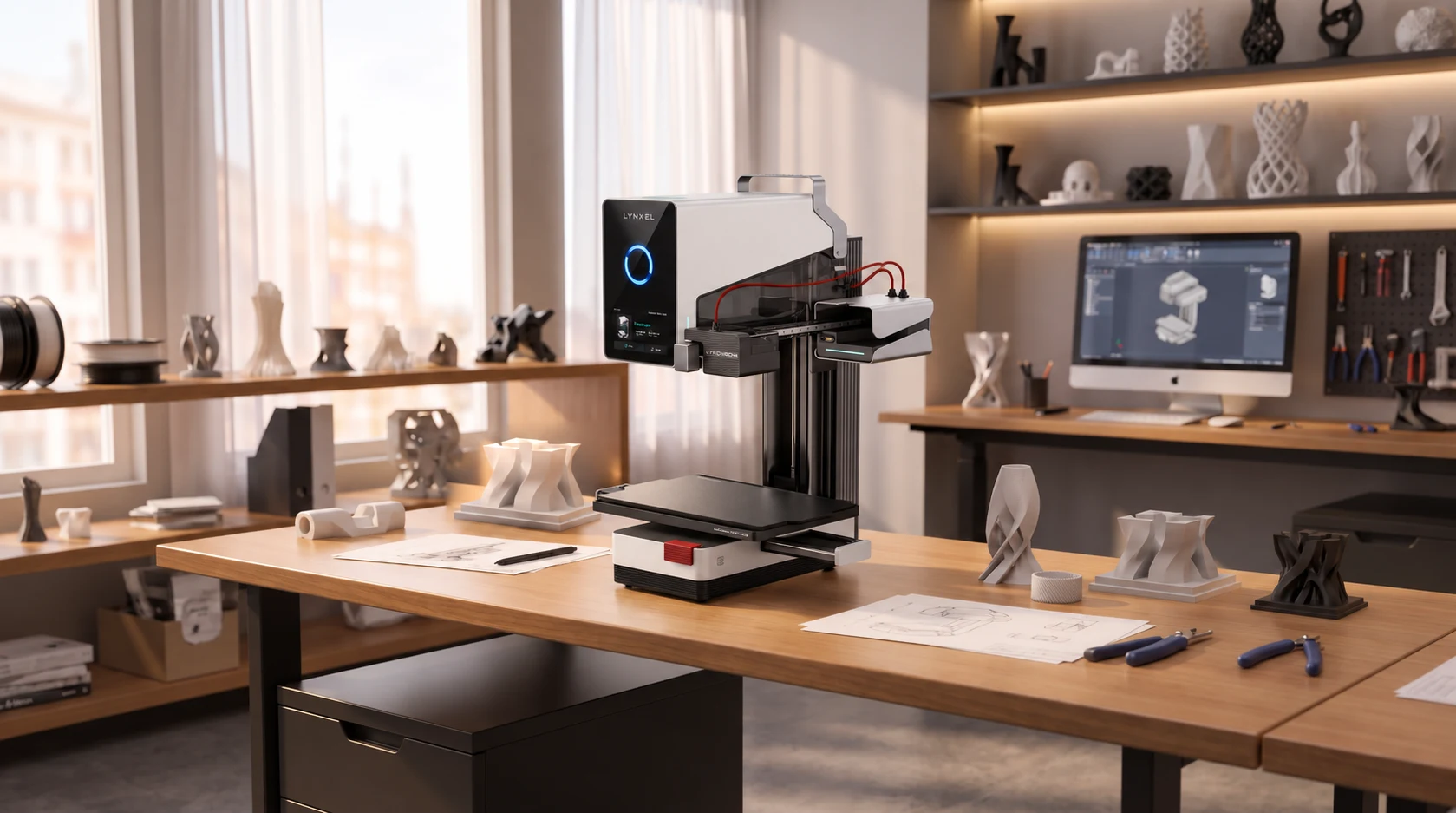
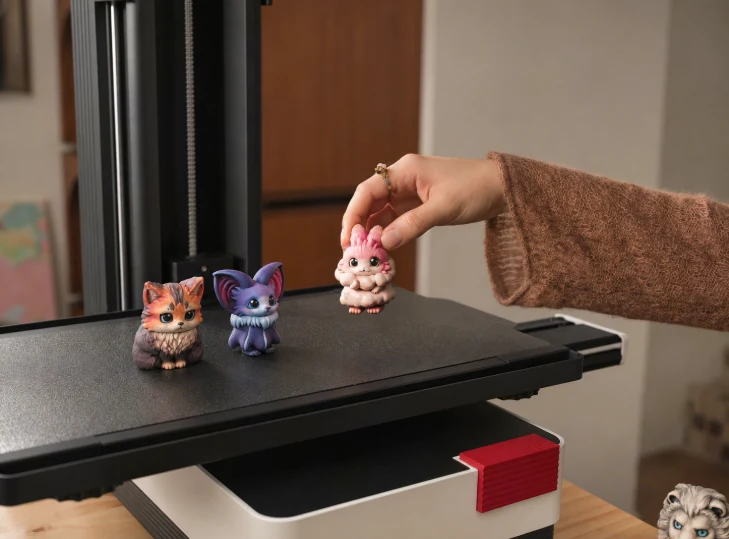
Lynxel develops advanced 3D printing technology that makes large, fast, colorful, and functional printing more accessible.
After years in the industry, we saw the same compromises again and again.
Size. Speed. Materials. Color. Cost.
We believed they didn't have to be trade-offs.
So we set out to create a different approach.
That approach became LMS — Layered Membrane Stereolithography.
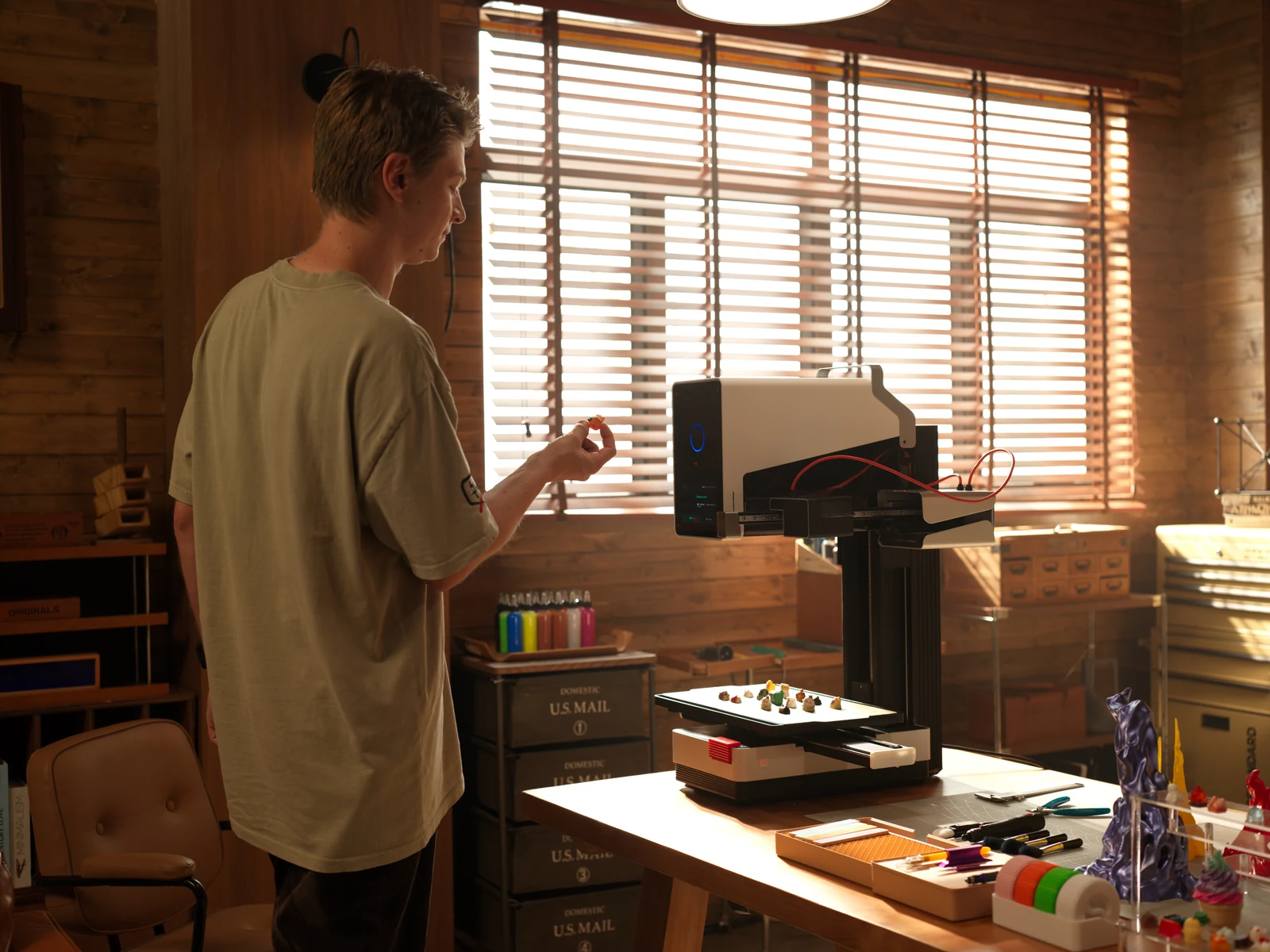
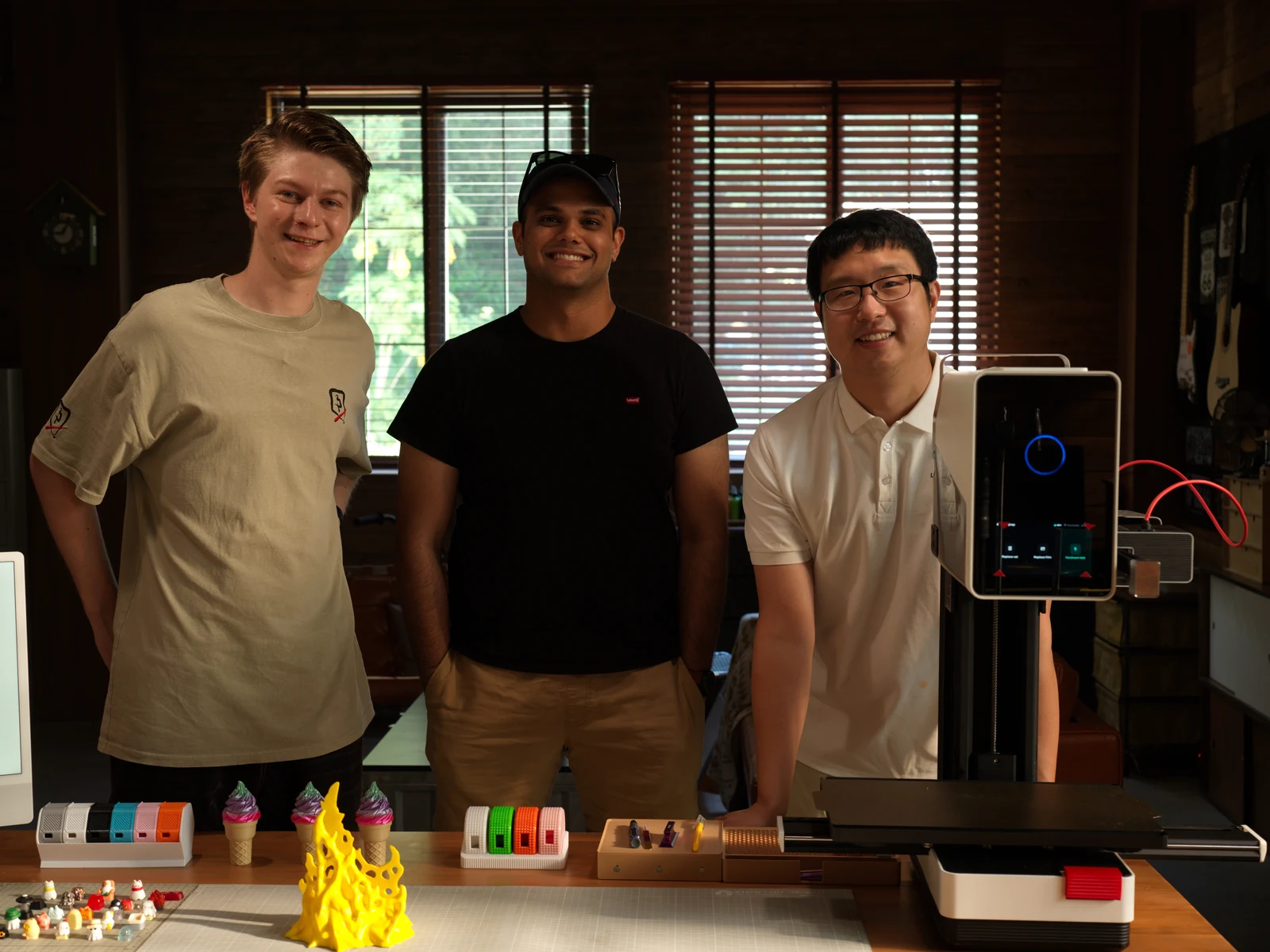
We are engineers, technologists, and builders with deep experience across 3D printing, lasers, materials, software, AI, and technology.
Our founders — Henry Zhou and Jason Lee — bring different perspectives and expertise to the same challenge:
to build what comes next in 3D printing.
Lynxel™ combines “Line” and “Pixel” — representing our line-laser technology and pixel-level precision. Lynxel is where lines become pixels, and pixels become reality.
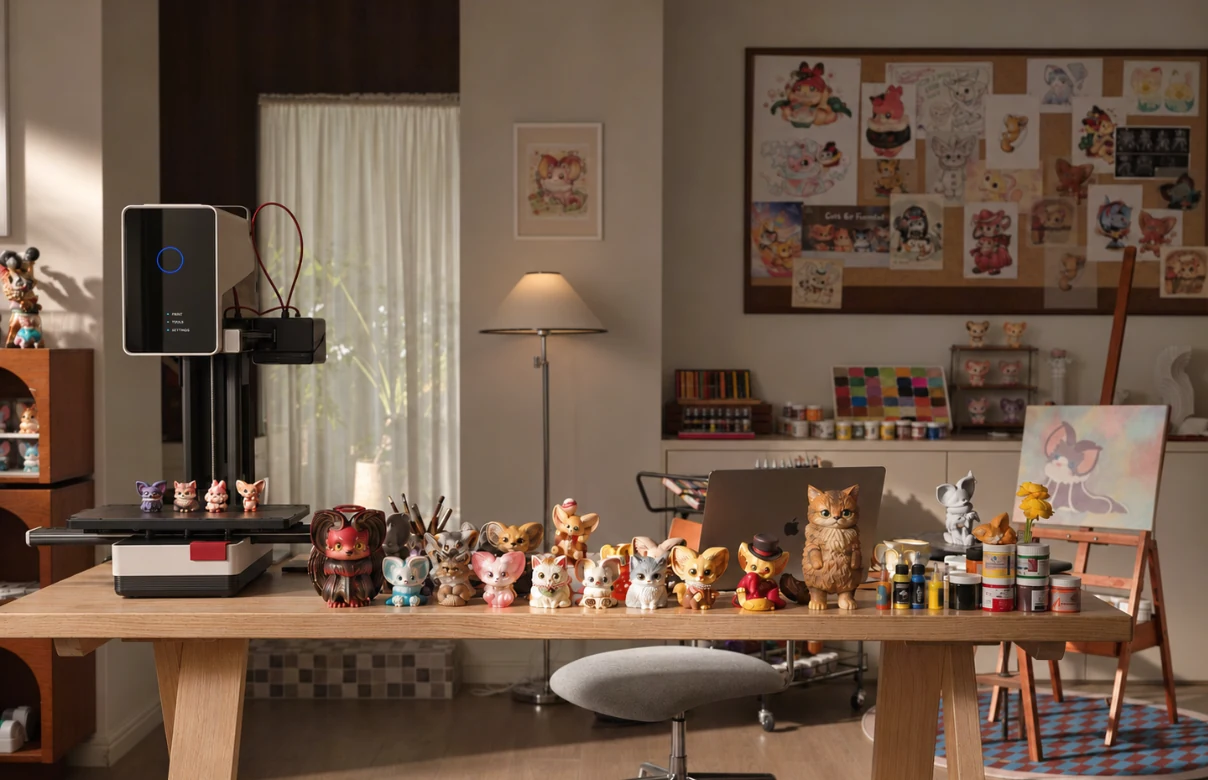
To make advanced 3D printing more capable, more accessible, and ready for real-world production — accelerating the evolution from FDM and conventional resin printing to LMS.
Speed, size, color, and material capability shouldn't have to compete.

Real innovation isn't borrowed. It's built, tested, and refined over time.
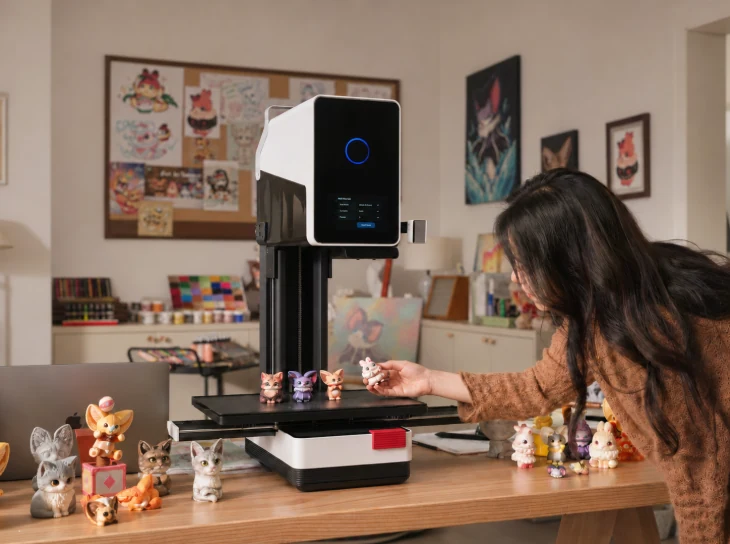
Advanced manufacturing should be within reach of more people.
Lynxel brings together expertise in process research, mechanical systems, materials, software, product design, and manufacturing. Each layer of the platform is developed side by side, allowing the printer, materials, slicer workflow, and user experience to evolve as one.
LMS process development
Hardware and control systems
Resin and color validation
App and slicer workflow
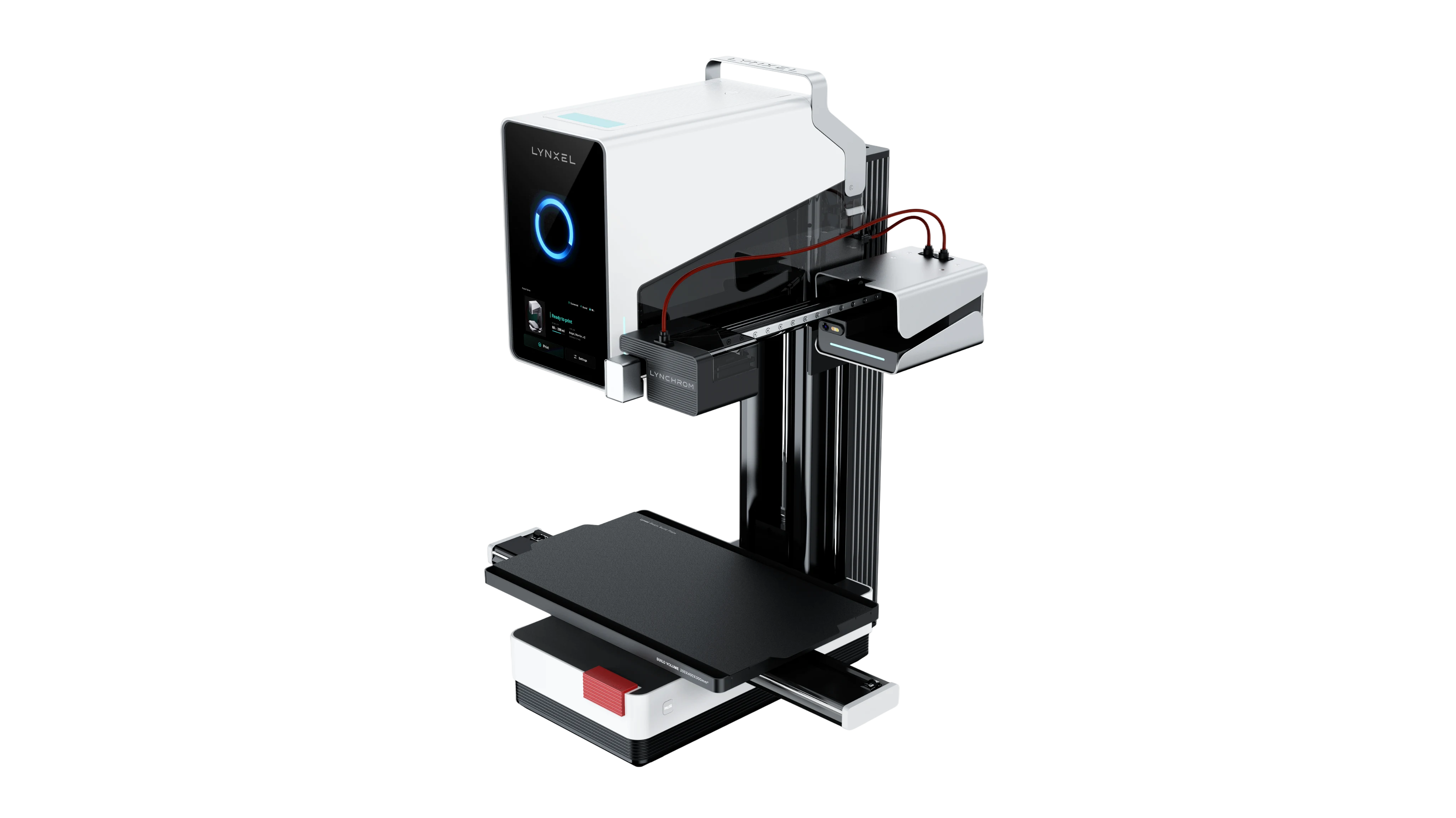
A focused journey from LMS process research to a complete desktop 3D printing experience.

 2022
LMS process research begins.
2023Research results published in Nature Communications.
Core printing architecture established; first desktop prototype developed.
2024Membrane path introduced.
LMS platform direction defined.
LMS Prototype 2.0 developed with integrated hardware and software workflow.
2025Print-result validation across complex and detailed models.
App and slicer workflow development begins.
LB1 prototype ready for investor demonstrations.
Ultra-viscosity resin development begins for full-color printing.
2026Early community preview; LMS publicly showcased at TCT Asia.
High-viscosity color resin ready for testing. ID design determined.
Manufacturing preparation and Kickstarter campaign development.
Public launch through Kickstarter and Formnext.